Hard-Access Land Is Common in North Carolina
North Carolina has more hard-access vacant land than most sellers expect. The Appalachian counties in the west, the gated subdivisions in the mountains and along the coast, and the rural piedmont all hold parcels that fall outside the easy-access category. These parcels exist by the thousands.
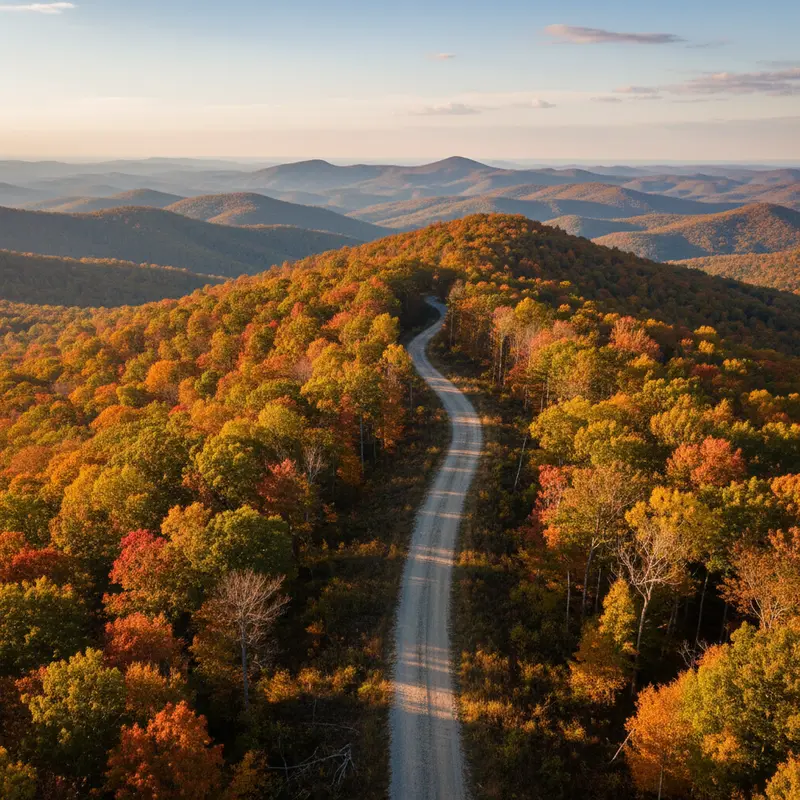
Mountain counties like Madison, Yancey, Mitchell, Avery, Watauga, Ashe, and Alleghany have parcels reached only by steep gravel roads, seasonal forest service routes, or shared driveways across neighbors. Some are accessible only in dry weather.
Others sit at the end of paper roads that exist on county maps but were never actually built. Owners often inherit these parcels with no clear idea how to physically reach them.
Gated subdivisions in places like the High Country, Lake Lure, and parts of the Outer Banks create a different kind of access challenge. The parcel itself is accessible via a paved road inside the subdivision, but only members of the HOA or owners with gate codes can enter.
Realtors lose buyers who cannot tour the parcel on weekends or holidays. Annual HOA fees on these subdivision lots can be significant even when nothing is built.
Piedmont and coastal plain parcels often have access issues from old family land splits. Three generations ago, a 200-acre farm got divided among five children.
The shares carved out land for buildings but left some heirs with parcels that have no road frontage. Recorded easements may exist, or they may not. North Carolina land sales include these hard-access parcels every month, just not through the channels most sellers try first.
Why Hard-Access Parcels Sit Unsold for Years
Hard-access North Carolina land sits on the MLS for two reasons: the buyer pool is much smaller, and the buyers in that pool need extra time to evaluate the parcel. Both factors stretch listing periods.
The buyer pool shrinks because most retail buyers want to drive to the parcel before buying. If the road requires a four-wheel-drive truck, or if access is seasonal, or if reaching the parcel requires permission from a neighbor, casual buyers walk away.
The buyers who remain are committed enough to overcome the access friction. That is a much smaller group.
Financing makes the problem worse. Banks rarely finance landlocked parcels at favorable terms, and many do not finance them at all.
Without recorded legal access, lenders consider the parcel unmarketable as collateral. This forces buyers to pay cash or find specialty land lenders. Either way, the buyer pool shrinks further.
Hauling materials and equipment to build on hard-access land adds substantial cost. A buyer planning to build a cabin needs to factor in extra dollars for material transport, longer driveway construction, and possibly improving the access road itself.
Driveway permits become a question mark on parcels where access goes across someone else's land or uses a paper road.
The listing time stretches because the few real buyers spend months researching access, contacting neighbors, pulling deed history, and consulting attorneys about easement rights. By the time they reach a yes-or-no decision, six months may have passed.
Meanwhile the seller pays property taxes, deals with overgrown vegetation, and watches the listing go stale. A direct cash buyer skips this evaluation period entirely.
Who Buys Landlocked or Hard-Access Parcels
The real buyer pool for hard-access North Carolina land is smaller than most parcels but very specific. Four groups make up most of the market.
Cash land investors top the list. They buy hard-access parcels at deep discounts, work to secure access easements or develop solutions over months, and resell at higher prices once the access situation improves.
Some hold parcels for 5 or 10 years waiting for adjacent ownership to change so a deal becomes possible. These investors close fast and do not require any access improvements before purchase.
Neighboring landowners are often the highest paying buyer for landlocked parcels. Someone who already owns the surrounding land does not need to reach the parcel from a public road - they reach it from their own land.
Combining the landlocked parcel with an adjacent tract may make sense for hunting, timber management, or simply preventing someone else from buying it. Neighbors sometimes pay 30% to 50% more per acre than a generic investor.
Recreational buyers form the third group. Hunting clubs in particular buy hard-access mountain parcels in western North Carolina.
Limited access keeps trespassers out, which hunters consider a feature. A 50-acre tract reached only by a logging road is exactly what a hunting club wants.
Long-hold investors round out the buyer pool. These are people or funds who buy hard-access land cheaply, pay the modest annual taxes, and hold the parcel for decades waiting for the surrounding area to develop or for adjacent ownership to change.
They do not need short-term liquidity and accept the access limitations. Selling rural acreage for cash matches these specialty buyers to sellers ready to move on.
How to Price Hard-Access North Carolina Land
Pricing hard-access land starts with comparable sales of similar hard-access parcels, not with sales of fully accessible parcels. This is the single most important mental shift sellers need to make.
Pulling comps for fully accessible mountain land in Madison County and assuming a hard-access parcel should bring 90% of that number leads to a wildly overpriced listing that never sells.
The typical discount for hard-access parcels runs 30% to 60% off comparable accessible parcels. A truly landlocked parcel with no easement might be discounted 50% to 70%.
A parcel with seasonal-only access or steep gravel access might be 25% to 40% off. The exact discount depends on how badly the access affects the parcel's usability.
Recorded easements significantly raise value. A parcel with a recorded legal easement across a neighbor's land is much closer to fully accessible than a parcel with no documented access.
Easements that name specific beneficiaries (rather than running with the land) are weaker. Always check the deed history for recorded easements before pricing.
Mineral rights, timber value, and water rights can offset access discounts. A landlocked parcel with mature timber may carry $1,500 to $4,000 per acre in standing timber value alone.
Streams or springs add value to mountain parcels even when access is poor. Hunters value water sources on a tract regardless of how hard it is to reach.
For sellers unsure where to start, a written cash offer from an experienced land buyer reveals the realistic market price quickly. Spending a year on the MLS at the wrong price only confirms the market does not agree. Call (786) 810-6693 with a parcel ID for a same-day estimate.
Selling Hard-Access NC Land for Cash
Cash buyers focused on hard-access North Carolina land work through a streamlined process. They have seen every kind of access issue before and know what documentation makes a deal possible.
The first thing they ask for is existing easement documentation. Any recorded easement across neighboring land, any old deed showing access rights, any survey that includes access routes - these documents establish the legal access situation.
If easements exist, the deal usually moves forward at a higher price. If no easements exist, the deal still moves forward but at a discount that reflects the access risk.
Access maps help even when no formal easement exists. Sellers who have driven to the parcel can describe how they got there: which county road, which turn-off, which neighbor's property they crossed, which gates needed opening.
Photos or hand-drawn maps from past visits give the buyer enough information to estimate access value. This is especially important for parcels that have not been visited in years.
Deed history matters. A title search will pull every recorded transfer of the parcel since it was first patented from the state.
This history often reveals access easements granted in past sales that the current owner does not remember. Old deeds occasionally contain access language buried in the legal description that gives the parcel more access rights than the current owner knew about.
Once the access situation is documented, closing typically runs 21 to 28 days. Hard-access deals take slightly longer than easy-access deals because the title work has more layers to verify.
The seller still does no extra work beyond signing closing documents. Selling land without a realtor matters more than usual for hard-access parcels because the typical MLS audience cannot evaluate these deals.
Frequently Asked Questions
Can I sell North Carolina land if it has no recorded easement?
Yes, parcels with no recorded easement still sell, just at a discount and to a narrower buyer pool. The most common buyers are adjacent landowners (who do not need external access) and cash investors willing to pursue easements after purchase.
Some states recognize prescriptive easements based on historical use, but these require legal action to formally establish. Pricing reflects the access uncertainty. Genuine landlocked parcels often sell at 50% to 70% discounts from comparable accessible parcels.
How much does a hard-access discount affect my final sale price?
Hard-access discounts typically range from 25% to 70% off the value of a comparable parcel with full year-round access. The exact percentage depends on whether access is seasonal, requires permission from neighbors, or simply requires a four-wheel-drive vehicle.
Recorded easements minimize the discount. Recorded right-of-way to the property line might only cost 5% to 15% off a fully accessible comparable. No documented access at all can cost 50% or more.
Will a cash buyer purchase landlocked North Carolina land?
Yes. Cash buyers focused on rural North Carolina land buy landlocked parcels regularly, especially in mountain counties and on parcels with strong neighbor relationships.
Offers are lower than for parcels with clear access, but the deals close. We have purchased landlocked parcels and worked with title companies to document existing easements buyers did not know existed. Send your landlocked NC parcel details for a written offer within 48 hours.
How long does a hard-access North Carolina sale take to close?
Hard-access cash closings typically run 21 to 28 days from contract signing. The extra time compared to easy-access deals comes from additional title work verifying access rights, easement language, and deed history.
Cleaner situations with documented easements close in 14 to 21 days. Truly landlocked parcels with no easement may take 28 to 35 days while the title company pulls deeper records. Sellers do not pay for any of this work. Selling unwanted NC land with access challenges works on this same timeline.